Hope for Human Society is a non-profit organization registered under Act 21 (1860) in the year 2007. The primary objective of the organization is to improve the living standards of poor and marginalized communities through various social initiatives. In its initial phase (2007-2012), the organization undertook several significant projects in rural areas using its own resources. These projects aimed to meet the basic needs of the villagers and enhance their quality of life.
The efforts of Hope for Human Society have significantly improved the lifestyle of villagers across various sectors. Their contributions to the sanitation campaign, women's empowerment, the Jal Jeevan Mission, and education have created lasting changes in rural communities. The organization’s initiatives are not only essential for rural development but also represent a step toward making society self-reliant and prosperous.
Nirmal Bharat Abhiyan and Swajal Project (2012-2014):
Between 2012 and 2014, Hope for Human Society participated in the Swajal project under the Nirmal Bharat Abhiyan initiated by the Government of India. The objective of this project was to spread awareness about cleanliness and health in rural areas. In the Development Block of Vikasnagar in Dehradun district, the organization motivated poor families to construct toilets and raised awareness about the importance of sanitation facilities. The organization ensured that each toilet-less family received an incentive of ₹12,000 from the government. This initiative led to significant improvements in the health and sanitation conditions of the villagers.
Contribution to the Swachh Bharat Mission (2014-2018):
In 2014, the Nirmal Bharat Abhiyan was renamed the "Swachh Bharat Mission Gramin" (Clean India Mission - Rural). Under this mission, Hope for Human Society constructed 5,008 toilets from 2012 to 2018 and received a total incentive of ₹60,33,600 from the government. The mission aimed to promote sanitation in rural areas and reduce diseases caused by the lack of toilets. This initiative not only improved the health of the villagers but also strengthened the culture of cleanliness within society.
Women's Empowerment and Self-Help Groups (2014-2019):
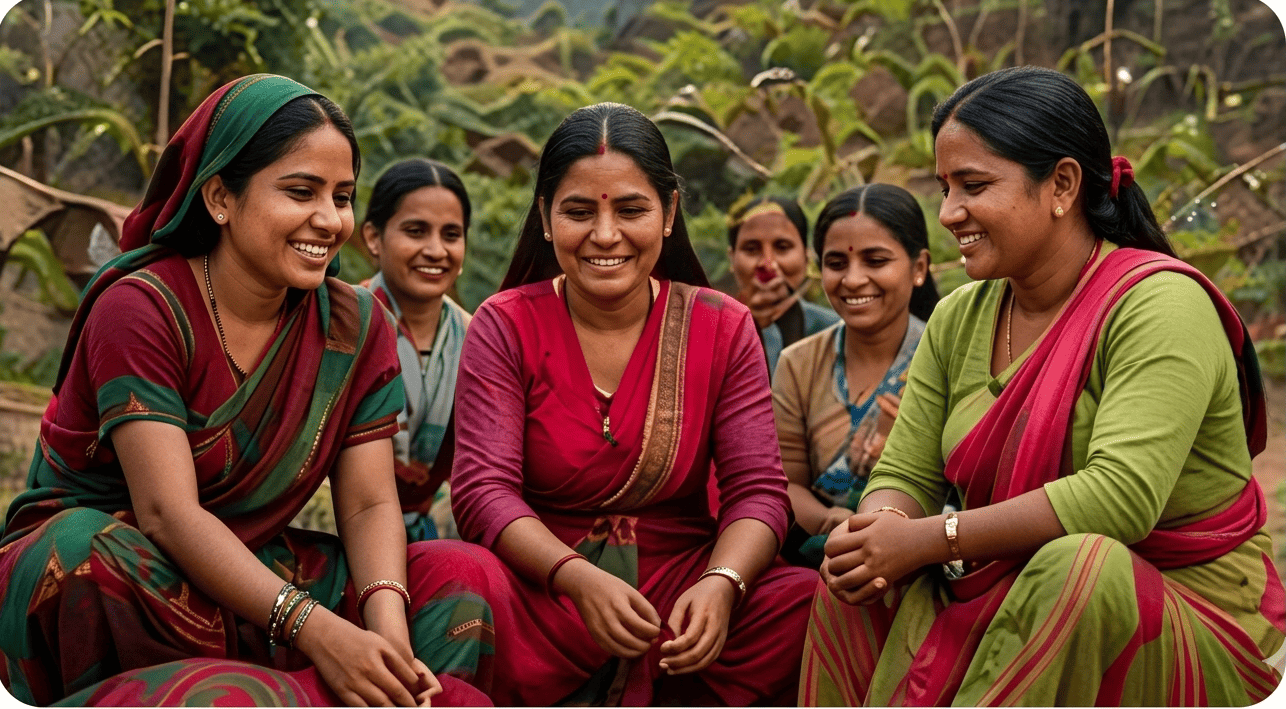
Between 2014 and 2019, Hope for Human Society took significant steps towards women's empowerment by establishing 100 self-help groups. This initiative involved 1,000 women from various families and provided them with economic training to promote self-sufficiency. The self-help groups motivated women to save money, start small businesses, and become financially independent. As a result of this initiative, women achieved not only economic independence but also increased their self-esteem and confidence.
Contribution to the Jal Jeevan Mission (2019-2023):
From 2019 to the present, Hope for Human Society has successfully implemented the "Har Ghar Nal, Har Ghar Jal" (Every House Tap, Every House Water) project under Prime Minister Narendra Modi’s Jal Jeevan Mission in 115 villages in Uttarakhand. This mission has provided clean and safe drinking water to 19,685 families, benefiting approximately 58,670 individuals. Under the Jal Jeevan Mission, the water scarcity issue in these villages has been addressed, leading to an improvement in the living standards of the rural population.
Contribution to the Education Sector from 2021 to 31st March 2025:
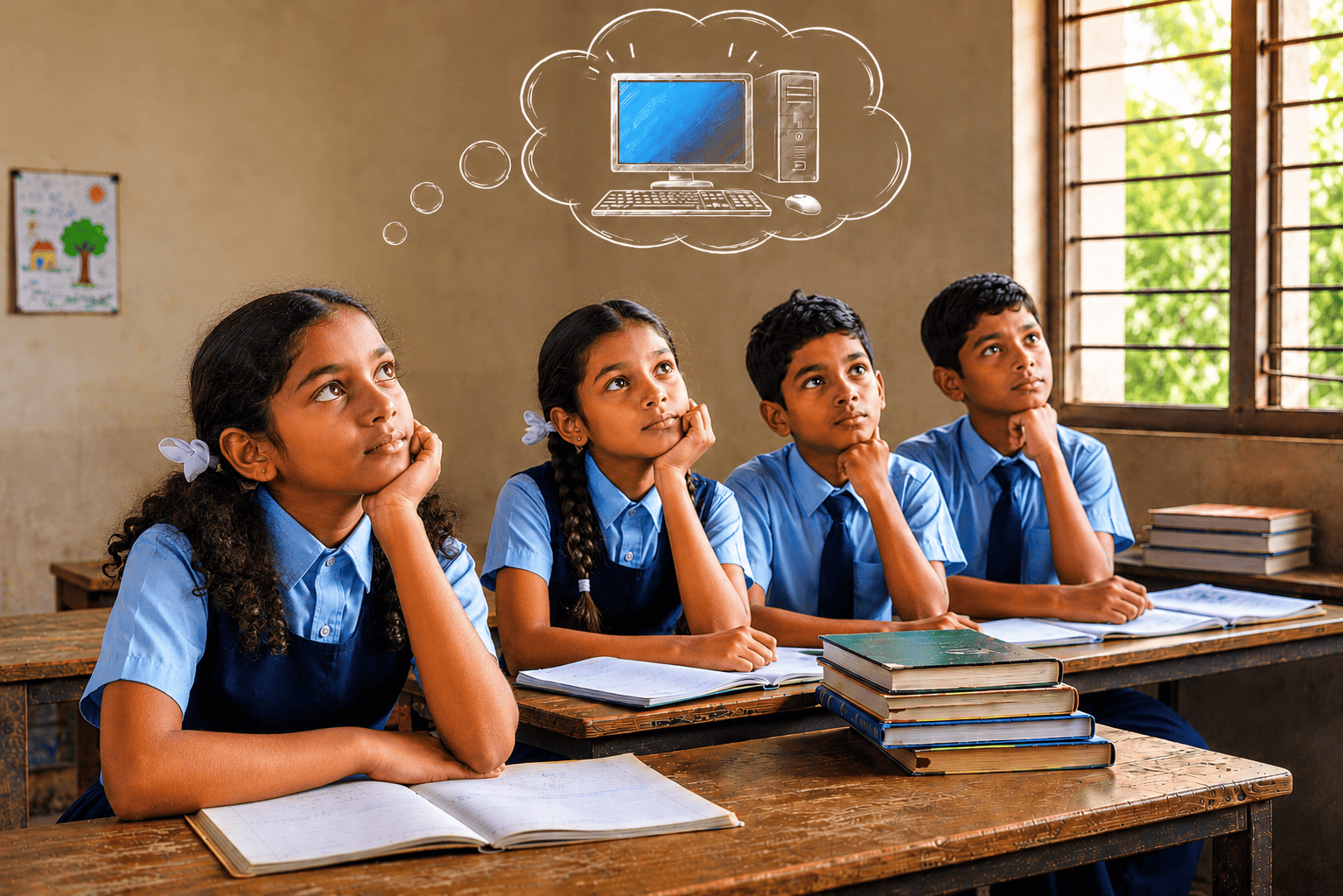
In the year 2021, Hope for Human Society took a significant initiative in the field of education under ONGC's Special Component Plan. As part of this effort, the organization distributed tracksuits and computers free of cost to 500 students of Shaheed Rajeev Pundir Inter College, Badwala, and Government Inter College, Katapathar, located in Vikasnagar, Dehradun (Uttarakhand).
Continuing its commitment to educational upliftment, in the year 2024–25, the organization extended support to students belonging to Scheduled Castes and Scheduled Tribes studying at Indira National Boksa Tribal School, Mednipur-Badripur, and Indira National Boksa Tribal School, Aduwala, both situated in Vikasnagar, Dehradun district (Uttarakhand). During this period, 263 students were provided with 263 school uniforms, 101 students received seating furniture, along with 8 computers, 8 computer tables, 16 computer stools, and 15 whiteboards — all distributed free of cost.
This initiative marks a strong step toward ensuring quality education for underprivileged students. The support provided by the organization not only enhances educational resources but also strengthens the confidence and morale of the students. The efforts of Hope for Human Society stand as an inspiring example of positive change in the education landscape, especially for marginalized communities.
At Hope for Human Society, we value open communication and transparency. We understand that many of our supporters and community members have questions about our mission, programs, and how they can get involved. In this section, we’ve compiled answers to the most frequently asked questions to provide clarity and foster a deeper understanding of our work.
Learn how to get helpWe accept both monetary donations and in-kind contributions, such as clothing, toys, and educational materials. Every contribution helps us make a difference in the lives of children and families in need.
You can become a volunteer by filling out our online application form on the "Volunteer Registraion" section of our website. Once we receive your application, our team will contact you with more information about upcoming opportunities and events.
Your donation directly supports our programs that provide essential resources such as food, education, healthcare, and shelter to children and families in need. We strive to ensure that every contribution goes towards creating lasting change in our community.
To stay updated on our upcoming events, you can subscribe to our newsletter by entering your email address on our website. You can also follow us on our social media channels for real-time updates and announcements.